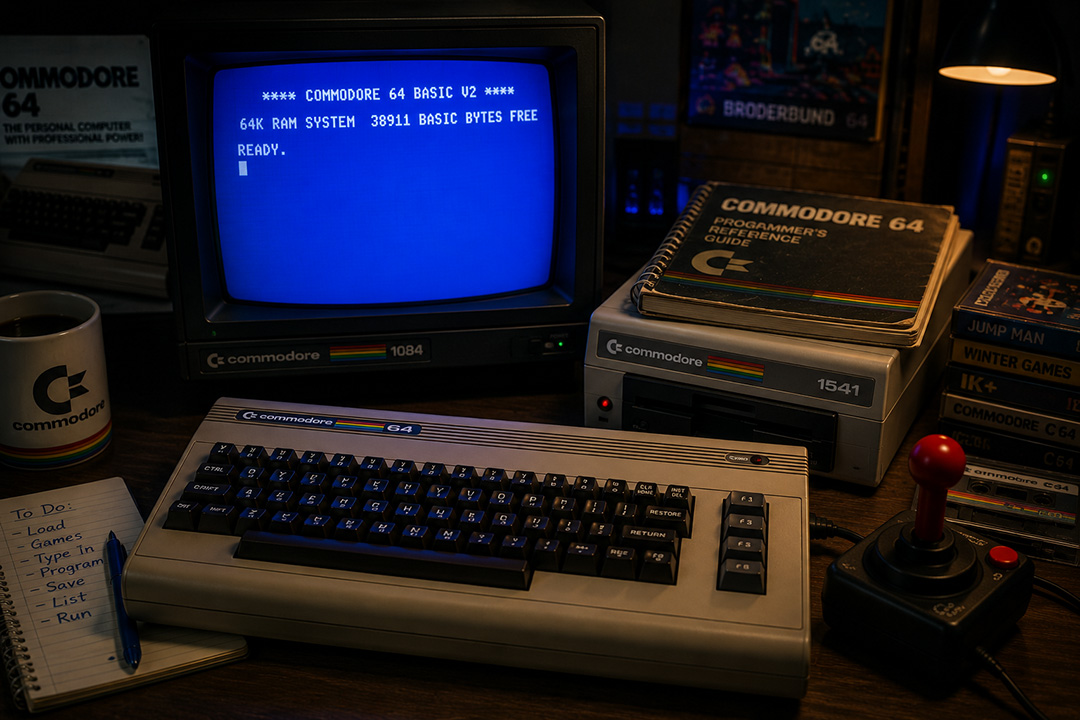
Project CBM
Commodore computing, rebuilt for modern Pi hardware.
An appliance-style Raspberry Pi environment for Commodore 64 and 128 emulation, powered by VICE, SDL2, and a custom console menu.
A personal archive of retro computers, classic games, BBS experiments, emulation projects, open-source builds, and blinking-cursor memories preserving the machines, software, and digital oddities that started it all.
We believe retro computing is best preserved through hands-on projects, practical guides, shared memories, and a healthy respect for blinking cursors.
Retro Realm is a Home for preservation, experimentation, storytelling, and sharing around the computers, software, games, and communities that helped shape the digital age.
From appliance-style builds and emulation setups to BBS experiments and classic software explorations, this is where I document the work: build notes, screenshots, practical lessons, project files, and the occasional late-night discovery from the blinking-cursor frontier.
Whether you’re here to relive the past, learn something new, or build something yourself, you’re in the right place.
Retro Realm projects are hands-on experiments in keeping classic computing alive through modern tools, open-source software, Raspberry Pi builds, emulation environments, and carefully documented workflows.
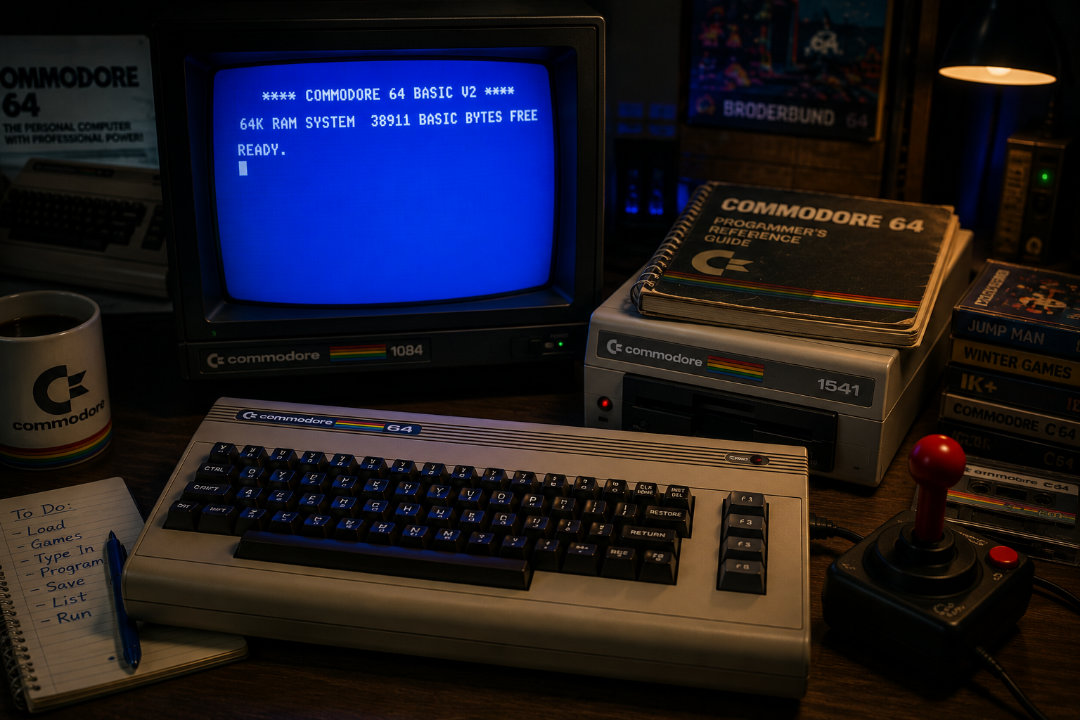
Commodore computing, rebuilt for modern Pi hardware.
An appliance-style Raspberry Pi environment for Commodore 64 and 128 emulation, powered by VICE, SDL2, and a custom console menu.
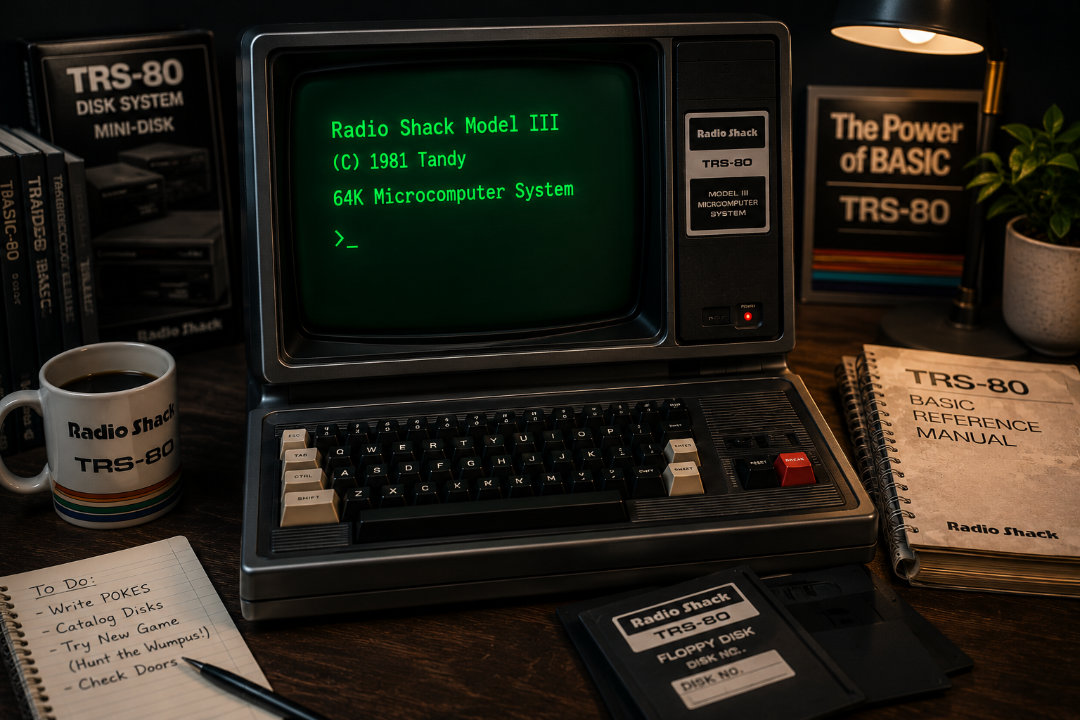
A modern gateway to the TRS-80 and Tandy world.
A console-first retro appliance concept built around SDLTRS for exploring the Model III, Model 4, BASIC, text adventures, and Tandy lore.
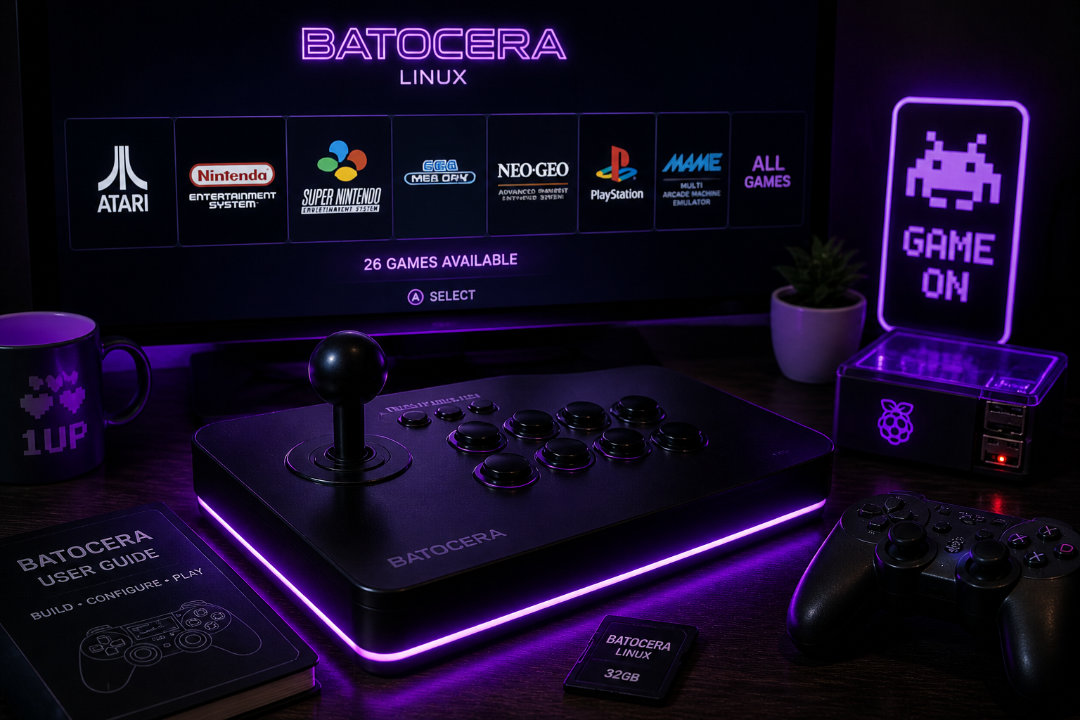
Curated retro-gaming setups and experiments.
Notes, configs, themes, controller tweaks, scraping workflows, and build logs for polished retro-gaming systems.
There are many powerful open source CMS solutions for building complex websites. Some of the more commonly used ones are Joomla, WordPress, and Drupal. The downside of these platforms is that they have a steep learning curve associated with them. This requires a significant amount of your time - and this may be the time that you do not have.
These platforms provide a wealth of features and functionality that you can extend with a wide variety of open source and proprietary plug-ins and themes. These extensions and themes are themselves often feature-packed, requiring more knowledge and time on the part of the developer yet.
In the end, you often find yourself creating a website that requires many plugins and extensions from many different vendors. This can make your design overly complicated and difficult to maintain over the long term.
Grav tackles the problem differently. It focuses primarily on your content and turns your content structure into a navigable site. The underpinnings of Grav are simple, yet via extensive events, you have complete control over every step in the Grav workflow.
This solution allows simple plugins to quickly and easily add powerful functionality. Using Grav also leads to a rapid development environment with an installation process that takes seconds, including a straightforward content creation method with a minimal learning curve. All of this contributes to making Grav friendly to the designer, the developer, and the end user.
To get a basic site up-and-running requires minimal Web development experience. If you dig a little deeper, you will discover that there is very little Grav cannot accomplish.